
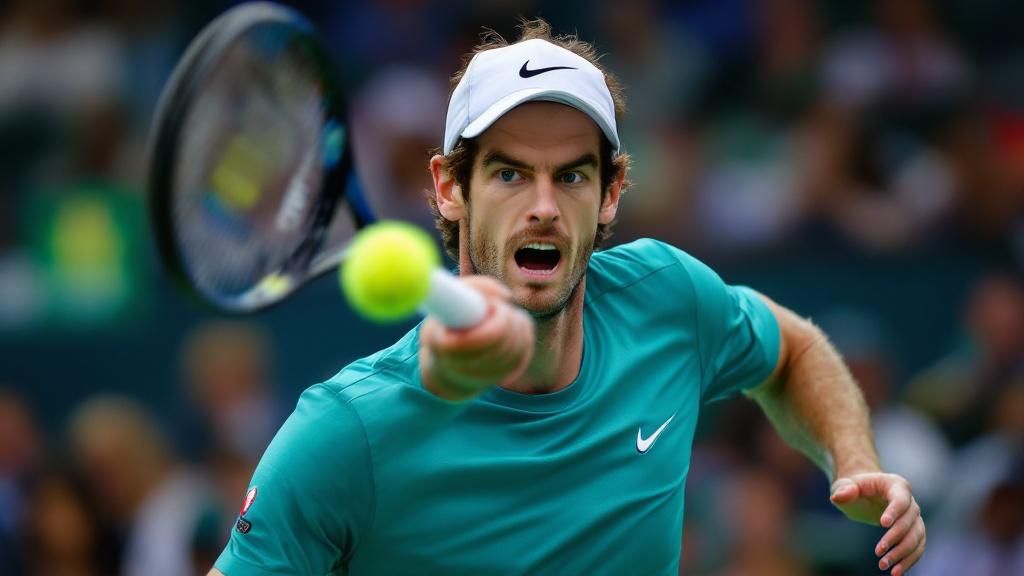
Andy Murray’s strategically designed comeback to competitive tennis has created ripples across the British sports landscape, indicating a possible resurgence for the nation’s most successful player. Following his career-threatening hip surgery, Murray’s strategic return to competition promises to reshape the landscape of British tennis, inspiring a new generation whilst reigniting hopes of further Grand Slam glory. This article investigates how his disciplined method to competitive play is shaping grassroots growth, nurturing young players, and reinforcing Britain as a competitive powerhouse in international tennis.
The Champion’s Return
Andy Murray’s return to professional competition goes well beyond a singular success; it embodies grit and resolve that resonates throughout British athletics. After undergoing a potentially career-ending hip surgery, many questioned whether the three-time Grand Slam champion would ever perform at elite level once more. His decision to stage a comeback, however, displays steadfast dedication to his craft and an unbreakable resolve that has shaped his professional journey. The athletics fraternity follows with authentic fascination as Murray confronts this critical juncture, proving that age and physical setbacks need not determine an athlete’s trajectory or performance goals.
The ramifications of Murray’s calculated reentry go far past his individual performance on court. His presence in professional tournaments reinvigorates British tennis, delivering a tangible example of determination to emerging athletes dealing with their own difficulties. Moreover, his comeback narrative provides invaluable lessons in psychological strength and bodily recovery, setting new markers for career longevity. As Murray plays again, he at the same time coaches the next generation, creating a connection between recognised achievement and rising prospects that reinforces the complete British tennis community.
Impact on Tennis Development in Britain
Murray’s return to competitive play has sparked substantial progress within British tennis infrastructure. His involvement in top-tier events boosts the sport’s profile across Britain, drawing enhanced financial support in youth development programmes and training facilities. The knock-on benefits reach past elite circles, inspiring grassroots participation and pushing national organisations to focus on player discovery and support structures for rising British competitors.
Mentoring and Support
Beyond his courtside performances, Murray has assumed an increasingly prominent mentoring role within the British tennis community. His willingness to share expertise acquired through competing at the highest level provides invaluable guidance to emerging talent charting their own career trajectories. This informal coaching impact enhances formal structures, offering useful knowledge into tournament preparation, psychological strength, and managing career demands.
Murray’s availability to up-and-coming athletes represents a departure from conventional power structures in professional athletics. By working closely with talented emerging athletes, he shows dedication to the advancement of British tennis. His mentorship extends beyond technical instruction, encompassing career planning, commercial arrangements, and psychological techniques essential for maintaining sustained competitive performance at international level.
- Provides expert advice on event choice and scheduling
- Shares mental resilience techniques developed throughout professional journey
- Facilitates connections to coaching and support staff networks
- Demonstrates professional standards through consistent work ethic
- Encourages equilibrium between drive and personal wellbeing
Competitive Performance and Rankings
Murray’s re-entry into competitive tennis has exhibited considerable mental strength, with his performance metrics revealing a athlete seeking to recapture his position amongst tennis’s elite. Despite the constant physical pressures of professional competition, his ranking trajectory has steadily improved, showcasing his technical proficiency and mental fortitude. His wins over proven rivals have sparked renewed debate about his potential to contend for major titles, whilst simultaneously providing crucial information on his physical rehabilitation and competitive readiness.
The strategic approach of Murray’s event choices has been crucial in managing his recovery whilst maintaining competitive edge. By carefully balancing high-level competition with adequate recovery periods, he has enhanced his performance trajectory without undermining long-term sustainability. His achievements have energised British tennis enthusiasts and analysts alike, demonstrating that prior injuries and advancing years need not diminish a competitor’s drive or achievements at the highest echelons of professional sport.
Future Prospects and Legacy
Andy Murray’s calculated comeback to professional competition has fundamentally altered understandings of what defines a accomplished tennis trajectory. His careful strategy shows that extended careers and focused competition can coexist bodily constraints, offering meaningful guidance to emerging competitors globally. The wider consequences of his resurgence extend beyond individual success; Murray’s participation on tour revitalises British tennis infrastructure, attracting investment and media attention previously directed elsewhere. His influence on younger players illustrates how seasoned expertise and determination go beyond conventional career trajectories, setting new benchmarks for competitive determination.
Looking forward, Murray’s legacy will undoubtedly include more than tournament victories and ranking positions. His dedication to developing emerging British talent has established a sustainable pathway for the coming generation of competitors pursuing global recognition. By balancing competitive ambitions with mentoring obligations, Murray has positioned himself as both competing player and steward of British tennis’s future. This combined position strengthens the nation’s competitive infrastructure whilst ensuring his substantial knowledge benefits the sport long after his final competitive appearance, cementing his status as influential presence within British sporting history.
